
Introduction
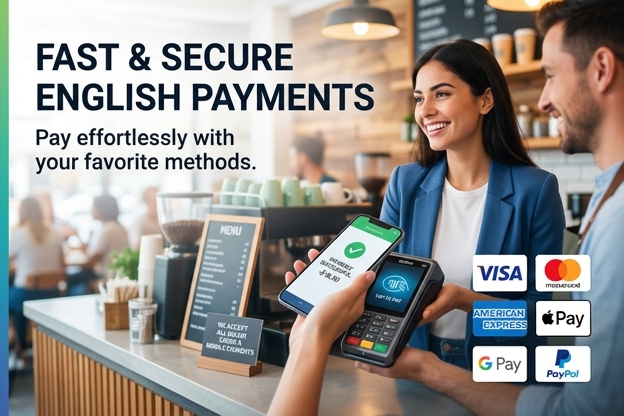
Online Casino Payments: Secure, Fast, and Convenient Options can make the difference between a smooth gaming session and a frustrating cash-out delay. Most players do not leave a casino because of game variety alone; they leave when deposits fail, withdrawals drag on for days, or fees quietly eat into winnings. That is why payment choice matters just as much as bonuses, licensing, and customer support.
At UK Proxy Service, we spend a lot of time analyzing how users access gaming platforms across different regions, devices, and risk environments. One pattern shows up again and again: players trust casinos that make money movement clear, fast, and verifiable. If a payment page feels confusing or unsafe, conversion drops. If the withdrawal flow is transparent, retention improves.
Online casino payments are the methods players use to deposit funds and withdraw winnings from gambling platforms. These options usually include bank cards, e-wallets, bank transfers, prepaid tools, open banking, and selected cryptocurrencies. The best setup balances speed, fraud protection, regulatory compliance, and low friction for the player.
Payment technology has improved quickly, but so have fraud tactics, geo-restrictions, and compliance demands. The right method for one player may be the wrong one for another, especially when identity verification, transaction limits, and local banking rules come into play.
Table of Contents
- Why Payment Choice Matters in Online Casinos
- Main Payment Methods Players Use
- How Security and Compliance Shape Every Transaction
- What Affects Speed, Fees, and Convenience
- Payment Method Comparison Table
- How to Choose the Right Payment Method
- Real-World Experience from UK Proxy Service
- Future Trends in Casino Payments
- Common Mistakes Players Should Avoid
Why Payment Choice Matters in Online Casinos
Players usually focus on jackpots, game libraries, and welcome offers first. The smarter move is to check payments before registering. A casino can look polished on the surface and still create serious friction when it is time to fund an account or cash out winnings.
Payment quality affects four things immediately:
- How quickly you can start playing
- How safely your financial data is processed
- How long withdrawals take to reach you
- How much you lose to conversion costs, hidden fees, or failed transactions
According to the 2024 Global State of Fraud and Identity report by LexisNexis Risk Solutions, digital businesses continue to face escalating fraud pressure, especially around account takeover and payment abuse. In online gambling, that matters even more because the sector deals with age checks, anti-money laundering controls, chargeback risk, and region-based restrictions all at once.
There is also a trust factor. A player who sees familiar, secure payment brands is more likely to complete a first deposit. A player who receives a withdrawal within hours instead of days is more likely to return. Payment design is not a back-office detail. It is part of the user experience.
Main Payment Methods Players Use
No single option wins in every category. Each method serves a different player profile, risk tolerance, and jurisdiction.
Debit and Credit Cards
Visa and Mastercard remain common because they are familiar and easy to use. Deposits are typically instant, and players do not need to create a separate financial account. The trade-off is that some banks block gambling-related transactions, and some regions limit the use of credit cards for betting.
Cards are practical for casual players, but they can be weaker for fast withdrawals. In many markets, withdrawals to cards may take several business days, and issuer policies vary.
E-Wallets
Services such as PayPal where permitted, Skrill, and Neteller are popular because they add a layer between the player and the casino. That means less direct exposure of banking details and often faster withdrawal processing. E-wallets are especially useful for players who move money across multiple gaming platforms.
The downside is that fees can appear at several stages: wallet funding, currency conversion, or inactive balances. Availability also depends heavily on local regulation and casino partnerships.
Bank Transfers and Open Banking
Bank transfer options are often seen as reliable and suitable for larger amounts. Traditional transfers can be slow, but open banking tools have changed the picture by allowing secure account-to-account payments with fewer intermediaries. In regulated markets, this method is gaining traction because it is transparent and compliance-friendly.
For players who prioritize legitimacy and clear audit trails, bank-based options are strong. For players who want instant flexibility, they may feel less convenient than wallets.
Prepaid Cards and Vouchers
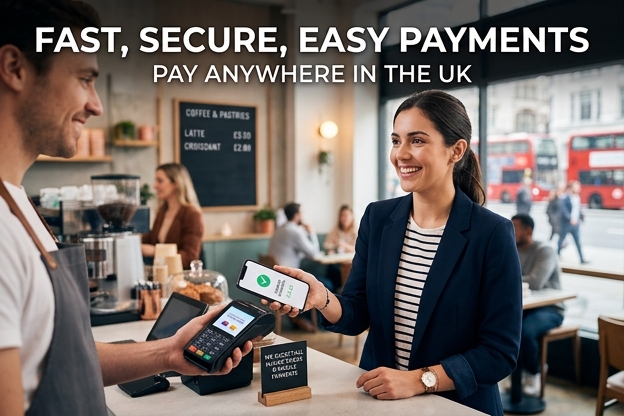
Prepaid methods appeal to players who want strict budget control. They reduce overspending risk because you can only use the balance loaded onto the card or voucher. They also limit direct sharing of bank data.
The main weakness is withdrawals. Many prepaid products are deposit-only, so players must use another approved method to receive winnings.
Cryptocurrency
Bitcoin, Ethereum, stablecoins, and selected altcoins are now accepted by some casino brands, especially those targeting international audiences. Crypto can offer fast cross-border transactions, enhanced privacy, and lower dependence on banks.
Still, crypto is not automatically better. Volatility, wallet mistakes, irreversible transfers, and regulatory uncertainty create real risk. Players also need to confirm whether the casino’s crypto process is fully transparent, including exchange rates and network fee handling.
“The strongest payment experience is not the one with the most logos on the cashier page. It is the one with the fewest surprises between deposit and withdrawal.”
How Security and Compliance Shape Every Transaction
Security in online casino payments is not just about encryption. It is a stack of controls working together: PCI DSS standards for card processing, SSL or TLS encryption, fraud monitoring, identity verification, anti-money laundering checks, and behavior-based transaction review.
According to the 2024 Internet Crime Report from the FBI’s IC3, online financial scams and payment-related fraud continue to generate massive reported losses across digital channels. Gambling platforms sit in a high-risk category because fraudsters may exploit stolen cards, synthetic identities, bonus abuse, or mule accounts.
From a player perspective, good security usually looks like this:
- Clear KYC verification before withdrawals
- Two-factor authentication for account access
- Recognizable payment processors
- Transparent limits and pending times
- Consistent account name matching between payment method and casino account
Some players resent verification because it slows down withdrawals. The reality is more nuanced. If a licensed operator does not verify identity for larger or suspicious transactions, that is usually a red flag rather than a sign of convenience. Strong compliance protects the platform, but it also protects legitimate players from chargeback abuse and account compromise.
According to a 2025 report from Juniper Research on online payment fraud, merchant losses tied to digital payment fraud are expected to remain a significant global burden as transaction volume grows. That trend pushes casinos to tighten monitoring even further, especially around cross-border payments and rapid account activity.
What Affects Speed, Fees, and Convenience
Players often ask why one casino advertises “instant withdrawals” while another takes three days for the same wallet. The answer is that payment speed depends on more than the payment rail itself.
Factors That Slow Withdrawals
- Pending internal review by the casino
- Incomplete or rejected KYC documents
- Bonus wagering requirements still in progress
- Mismatch between deposit and withdrawal method
- Manual fraud or anti-money laundering review
Where Fees Usually Appear
Fees are rarely explained well. Players should watch for three common cost points: payment processor fees, bank or wallet conversion charges, and casino-side withdrawal fees above a certain frequency or below a minimum threshold. A method that looks “free” on deposit can become expensive during withdrawal or conversion.
What Convenience Really Means
Convenience is not only about speed. For many players, it means a payment method that fits their daily habits. If someone already uses Apple Pay, Trustly-style bank payments, or Skrill for other digital purchases, the casino transaction feels lower-friction. Familiarity lowers abandonment.
For higher-value players, convenience often means smooth source-of-funds review, larger limits, and fewer repeat verification requests. For budget-conscious players, it means spending control and low minimum deposits.
Payment Method Comparison Table
| Payment Method | Typical Deposit Speed | Typical Withdrawal Experience | Best Fit |
|---|---|---|---|
| Visa or Mastercard Debit | Instant | One to five business days depending on issuer and casino review | Mainstream players who want familiar payment tools |
| Skrill or Neteller | Instant | Often same day after approval | Frequent players who value speed and separation from bank details |
| Open Banking | Near instant to instant | Varies by operator; usually efficient for regulated markets | Players who prioritize bank-level trust and lower friction in regulated regions |
| Prepaid Voucher | Instant | Usually not available for cash-out | Budget control and privacy-focused deposits |
| Cryptocurrency | Minutes to one hour depending on network | Fast once approved, but network fees and wallet accuracy matter | Cross-border users comfortable with wallets and volatility risk |
How to Choose the Right Payment Method
The best method depends on your priorities. Use a simple decision framework instead of copying what other players use.
- Check whether the casino is licensed and whether your preferred method is supported for both deposits and withdrawals.
- Read the payment terms for minimums, maximums, verification triggers, and pending review times.
- Compare the total cost, including wallet top-up fees, foreign exchange charges, and repeat withdrawal fees.
- Match the method to your risk profile: prepaid for spending control, e-wallet for speed, bank transfer for documentation, crypto for cross-border flexibility.
- Test with a small deposit before committing larger amounts.
That final step matters more than players think. A small live transaction reveals whether the cashier flow is smooth, whether confirmation emails arrive quickly, and whether support can answer basic payment questions clearly.
“If a casino makes it hard to understand fees before you deposit, expect it to make withdrawals even harder.”
Real-World Experience from UK Proxy Service
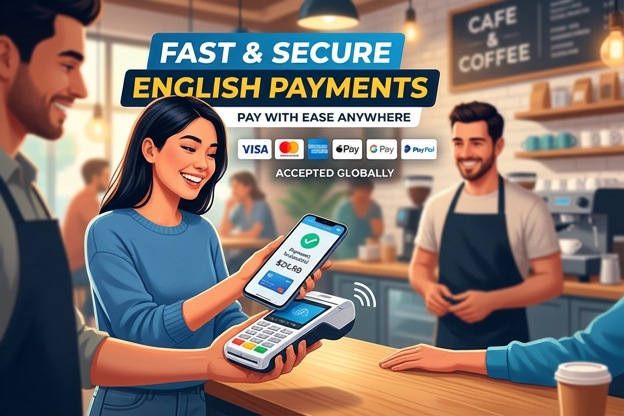
I have seen the payment issue from a different angle while working with UK Proxy Service. In one project, a content and access analysis for a gaming affiliate client showed that users from several regions were reaching cashier pages but abandoning before deposit. At first, the assumption was weak bonus appeal. The real problem was payment mismatch. The casino promoted card funding heavily, but many users in those markets preferred wallets and bank-based methods because local issuers frequently declined gambling transactions.
We helped the client map traffic behavior, session exits, and payment-page friction points. Once the operator highlighted more region-appropriate methods and clarified expected withdrawal times, deposit completion improved and complaint rates dropped. That experience reinforced a simple truth: payment trust is local, not universal.
In another case, I worked on a review workflow where UK Proxy Service monitored how users compared crypto-friendly casinos versus traditional operators. The interesting pattern was that crypto alone did not win trust. Players stayed longer on sites that explained wallet confirmations, exchange rate handling, and withdrawal review timelines in plain English. Sites that simply added a Bitcoin icon without guidance saw less engagement. Clear explanation outperformed novelty.
These experiences matter because players are no longer impressed by generic claims like “fast payouts.” They want evidence: which method, what delay, what documents, what limit, and what happens if a transaction fails. Operators who answer those questions upfront usually perform better in organic search and customer retention alike.
Future Trends in Casino Payments
The payment landscape is shifting toward faster rails, stronger identity controls, and more transparent user journeys. A few trends deserve attention.
Open Banking Expansion
Open banking is likely to keep growing in regulated markets because it reduces card dependency and supports strong customer authentication. For casinos, it can improve payment success rates. For players, it can feel simpler than entering card details manually.
Smarter Fraud Detection
Machine learning is already being used to identify suspicious patterns such as unusual deposit velocity, device mismatch, and account takeover signals. That means more security, but also more friction when behavior falls outside expected norms.
Stablecoin Use Cases
Among crypto options, stablecoins may become more attractive than highly volatile coins for players who want speed without sudden value swings. The caveat is that regulation around stablecoin payments is still evolving across jurisdictions.
Embedded Verification
Instead of waiting until withdrawal, more platforms are moving KYC earlier in the user journey. Players may dislike that at first, but it can reduce unpleasant surprises later. A verified account typically cashes out with fewer interruptions than one reviewed only after a large win.
Common Mistakes Players Should Avoid
Even secure, fast, and convenient payment options can become painful when players make preventable errors.
- Depositing before reading withdrawal conditions
- Using someone else’s card or wallet, which often violates casino policy
- Ignoring bonus rules that can delay cash-outs
- Skipping identity verification until after a win
- Choosing crypto without understanding wallet addresses and network types
- Overlooking monthly limits or currency conversion margins
A balanced view is important here. Faster methods are not always better if they reduce your ability to control spending. More private methods are not always more secure if they remove recovery options after a mistake. The best payment method is the one that fits your legal environment, personal risk tolerance, and playing habits.
Conclusion
Online casino payments work best when they combine security, speed, and clarity. Card payments remain accessible, e-wallets often lead on convenience, bank-based methods offer trust and compliance strength, prepaid tools help with budget discipline, and crypto can serve cross-border users who understand the trade-offs. The right choice depends less on hype and more on how smoothly a method handles deposits, withdrawals, identity checks, and fees.
UK Proxy Service recommends three practical next steps:
- Audit the full payment flow before you deposit, especially withdrawal rules and verification requirements.
- Start with the method that best matches your priority, whether that is speed, privacy, spending control, or documentation.
- Use small test transactions first so you can judge reliability before moving larger amounts.
References
- LexisNexis Risk Solutions, 2024 Global State of Fraud and Identity Report — used for current fraud pressure and digital risk context.
- FBI Internet Crime Complaint Center, 2024 Internet Crime Report — used for broader payment-related online fraud trends.
- Juniper Research, 2025 online payment fraud market analysis — used for expected merchant fraud-loss pressure in digital payments.
FAQ
What are Online Casino Payments: Secure, Fast, and Convenient Options?
-
They are the deposit and withdrawal methods used by players on gambling platforms, including cards, e-wallets, bank transfers, prepaid vouchers, and crypto. The best options combine strong security, fast processing, transparent fees, and easy account verification.
Which payment method is usually the fastest for casino withdrawals?
-
In many cases, e-wallets are among the fastest once the casino approves the payout. Crypto can also be quick, but only if the operator processes withdrawals promptly and the player uses the correct wallet network.
Are cryptocurrency casino payments safer than card payments?
-
Not automatically. Crypto can offer privacy and speed, but it also comes with irreversible transfers and wallet-error risk. Card payments may provide stronger dispute mechanisms, while crypto may offer more control. Safety depends on your experience level and the casino’s transparency.
Why do casinos ask for ID before releasing withdrawals?
-
Licensed casinos use identity checks to prevent fraud, verify legal age, comply with anti-money laundering rules, and confirm that the payment method belongs to the account holder. It can feel inconvenient, but it is a normal part of secure payment processing.
What is the best payment option for players who want spending control?
-
Prepaid vouchers or prepaid cards are often the easiest tools for budget discipline because you can only spend what you load. They are especially useful for players who want to avoid direct bank access during deposits.
Do all casino payment methods support both deposits and withdrawals?
-
No. Some methods, especially certain prepaid tools, are deposit-only. Before funding your account, check whether your chosen method can also receive withdrawals or whether the casino will require an alternative cash-out route.