
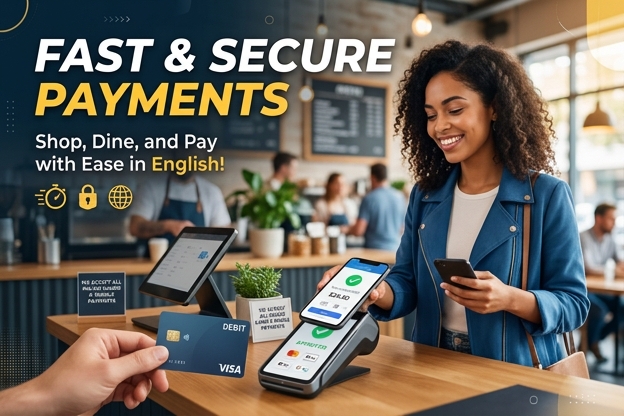
Why More People Use a Credit Card for Smart Payments and Easy Purchases
Cash flow feels tighter when every subscription renews on a different day, online checkouts ask for instant payment, and travel, software, and advertising costs stack up faster than expected. That is exactly why many consumers and business operators choose to Use a Credit Card for Smart Payments and Easy Purchases instead of relying only on debit cards or bank transfers. The right card can help with timing, security, rewards, and cleaner expense tracking.
For teams managing online operations, those benefits matter even more. UK Proxy Service, known for helping clients run secure, location-sensitive digital workflows, often sees payment friction become a hidden bottleneck. From subscription tools to cross-border purchases, smart card use can reduce failed payments, improve recordkeeping, and protect spending against fraud.
Use a Credit Card for Smart Payments and Easy Purchases means using a credit card strategically, not casually. It involves choosing the right card, paying attention to fees and billing cycles, and using built-in protections, rewards, and controls to make purchases safer and more efficient.
When done well, credit card use is less about borrowing and more about payment optimization. It can support budgeting, vendor management, dispute protection, and operational flexibility for both households and growing businesses.
A lot of people still treat credit cards as either dangerous debt tools or simple convenience products. The truth sits in the middle. A credit card can absolutely create financial stress if it is used without a plan, but it can also become one of the most practical tools in your payment stack when matched to your habits and goals.
Table of Contents
- What smart card use really means
- Top benefits of paying with a credit card
- Best scenarios for everyday and business purchases
- How to choose the right card for your spending style
- Risks and limitations to watch closely
- How UK Proxy Service applies smart payment practices
- Comparing card use across common business situations
- A practical action plan for better card habits
- Final takeaways and next steps
- References
What smart card use really means
Using a credit card smartly is not the same as using it often. Smart use means you control the billing cycle, know your interest rate, understand your rewards structure, and never confuse available credit with disposable income. In practical terms, it means the card works for you instead of silently working against you.
For consumers, this usually starts with three habits: paying on time, keeping balances low, and using card protections when making larger or riskier purchases. For business users, it adds another layer: assigning spend categories, separating personal and company expenses, and documenting transactions clearly enough for audits, reimbursements, and tax reporting.
According to the Federal Reserve Bank of New York’s 2024 household debt reporting, credit card balances remain elevated across the United States, which shows how common card usage has become. At the same time, broad usage does not automatically equal smart usage. The real difference is whether spending decisions are intentional, trackable, and paid down in a disciplined way.
Top benefits of paying with a credit card
There is a reason credit cards remain the preferred payment method for millions of online and in-store transactions. They solve several real-world problems at once.
- Fraud protection: Credit cards generally offer stronger dispute rights than cash and often more flexible consumer protections than debit cards.
- Cash flow timing: You can buy now and pay by the statement due date, which helps smooth uneven income or business receivables.
- Rewards and rebates: Cash back, points, and category bonuses can offset everyday expenses when balances are paid in full.
- Expense visibility: Statements create a documented trail, which helps budgeting, reimbursements, and accounting.
- Purchase protections: Many issuers include extended warranties, chargeback options, travel insurance, or return support.
Visa’s 2024 payment security messaging continued to emphasize tokenization and fraud-reduction technologies across digital commerce. That matters because shoppers increasingly store card details across apps, browsers, and marketplaces. The more commerce shifts online, the more payment security features become a practical advantage rather than a nice extra.
“A good credit card is not just a payment tool. It is a risk-management layer between your bank account and the merchant ecosystem.”
There is also a credit-building angle. Responsible credit card use can strengthen your payment history and credit utilization profile, both of which can influence future borrowing options. That benefit is easy to overlook until you need favorable terms for a mortgage, auto loan, or business line of credit.
Best scenarios for everyday and business purchases
Some purchases are especially well suited for credit card payment. These are typically transactions where security, timing, or documentation matter more than immediate account deduction.
Online purchases with unknown or first-time merchants
When you buy from a seller you have never used before, a credit card gives you more room to challenge unauthorized charges or non-delivery issues. That extra buffer can be the difference between a frustrating experience and a recoverable one.
Travel bookings and reservations
Hotels, rental cars, flights, and booking platforms often work better with credit cards because of authorization holds, travel protections, and easier handling of disputes. Many premium cards also include trip delay coverage, baggage protections, or rental coverage.
Business software and recurring subscriptions
Software-as-a-service tools, advertising accounts, hosting renewals, and remote work platforms are easier to manage on a card because you can isolate these expenses, set alerts, and maintain uninterrupted service.
Large planned purchases
Using a credit card for a major planned expense can make sense if the purchase is already budgeted and the card includes purchase protection or a promotional APR period. The key word is planned. If the purchase is unplanned and unsupported by cash reserves, the math changes quickly.
According to the National Retail Federation’s 2025 consumer trend commentary, convenience and speed continue to drive digital checkout preference. That preference is exactly why cards remain central to modern purchasing behavior, especially where repeat transactions and remote payments are involved.
How to choose the right card for your spending style
Not all credit cards solve the same problem. Some are built for rewards, some for balance transfers, some for travel, and some for business controls. Picking the wrong one can quietly erase the value you expected to gain.
Start by matching the card to your actual spending pattern, not the marketing headline. A flat-rate cash-back card may outperform a flashy travel card if your monthly spend is simple and local. A business card with employee controls may be more valuable than premium perks if your main issue is oversight.
- Review your last three months of spending. Sort purchases into groceries, travel, software, ads, utilities, dining, and miscellaneous categories.
- Compare annual fees against realistic rewards. If the math does not exceed the fee, move on.
- Check APR and grace period details. Rewards matter less if you sometimes carry a balance.
- Study foreign transaction fees. These can add up quickly for cross-border tools and suppliers.
- Evaluate security features. Look for virtual cards, spend alerts, card lock tools, and strong dispute handling.
- Set a payment rule before you apply. Full statement balance monthly is still the strongest default.
I have seen businesses save more from eliminating unnecessary foreign transaction fees than from chasing reward points. That is especially true for digital operators buying tools, data services, and region-specific subscriptions month after month.
Risks and limitations to watch closely
Smart card use requires honesty about the downsides. Convenience can turn into overspending because the payment pain is delayed. Rewards can create false confidence, making people justify purchases they would never make with cash. And promotional offers can backfire if balances survive beyond the intro period.
Interest is the most obvious hazard, but it is not the only one. Late fees, annual fees, penalty APRs, cash advance charges, and foreign transaction fees can all chip away at value. For businesses, another risk is operational dependency. If a card is frozen, expires, or hits a limit unexpectedly, critical tools can shut off fast.
There is also a security discipline issue. Saved card details across dozens of platforms can become a problem if login hygiene is weak. According to IBM’s 2024 Cost of a Data Breach Report, credential compromise and cloud-related gaps remain major contributors to business security incidents. Payment tools do not exist in isolation; they sit inside a broader digital risk environment.
“The most expensive credit card mistake is rarely the annual fee. It is the habit of letting small unmanaged charges blend into the background month after month.”
If you tend to carry balances, a rewards card may not be your best first move. A lower-interest card, stricter budget system, or even reduced card usage may deliver better results than any point strategy.

How UK Proxy Service applies smart payment practices
At UK Proxy Service, payment reliability matters because clients often depend on uninterrupted access to tools, platforms, and region-specific services. I have worked with teams where a single failed renewal disrupted campaigns, delayed research, or forced a scramble across multiple vendors. The payment method was not a side issue; it was part of operational continuity.
In one case, I helped review how recurring digital expenses were being handled for a client managing multiple online subscriptions tied to market research and international testing. Charges were spread across personal cards, one debit card, and manual invoices. Failed renewals became common, and nobody had a clear monthly view of spend. We recommended consolidating qualified recurring charges onto one business credit card with alerts, category coding, and a controlled billing cycle. Within one quarter, the client had fewer failed payments, faster reconciliation, and much better visibility into which tools were actually worth keeping.
In another situation, I saw how smart card use reduced fraud exposure. A team connected to UK Proxy Service’s broader workflow needed to test international ecommerce environments and make low-volume platform purchases. Instead of exposing a primary bank account through repeated debit use, they used a card with strong issuer alerts and rapid freeze controls. When an unfamiliar merchant attempted a questionable follow-up charge, the dispute process was cleaner and the operating account remained untouched. That experience reinforced a simple lesson: smart payments are partly about convenience, but they are also about containment.
These examples are not about spending more. They are about building a payment setup that supports reliability, documentation, and recovery when something goes wrong. For brands operating across multiple tools, regions, and login environments, that discipline compounds over time.
Comparing card use across common business situations
The value of using a credit card changes depending on the purchase type. The table below shows how different real-world scenarios tend to compare.
| Business Scenario | Why a Credit Card Helps | Main Risk | Best Practice |
|---|---|---|---|
| SaaS subscriptions for a remote team | Centralized billing, cleaner records, renewal continuity | Subscription creep and unnoticed renewals | Use one dedicated card and monthly spend reviews |
| Travel bookings for client meetings | Authorization flexibility, travel protections, rewards | High incidental holds and policy misuse | Set travel budgets and require receipt uploads |
| Digital advertising on major platforms | Fast funding, campaign continuity, clear statements | Overspend during high-volume periods | Enable alerts and hard monthly caps |
| International tool purchases | Easier online checkout and dispute support | Foreign transaction fees and FX costs | Choose a no-foreign-fee card for cross-border spend |
A practical action plan for better card habits
If you want the advantages without the usual pitfalls, build a simple operating system around your card use. Most people do not need a complex strategy. They need a repeatable one.
Set rules before spending starts
Decide which expenses belong on the card and which do not. For many people, the best setup is recurring bills, planned online purchases, travel, and protected large-ticket buys. Impulse purchases should not be part of the system.
Use alerts aggressively
Turn on transaction notifications, statement reminders, due-date alerts, and unusual activity warnings. Real-time visibility changes behavior and speeds up fraud response.
Audit subscriptions monthly
Recurring charges are where “easy purchases” become expensive habits. Review all software, streaming, memberships, and business tools once a month. If the value is unclear, pause or cancel it.
Pay the statement balance in full whenever possible
This is the line that separates optimized use from expensive borrowing. Rewards are meaningful only if they are not erased by interest.
Keep utilization under control
Even if you can pay the bill, running too close to the limit can affect your credit profile and reduce flexibility. Lower utilization generally gives you more breathing room.
J.D. Power’s recent credit card satisfaction research continues to show that digital account tools, fraud handling, and rewards clarity influence how people evaluate issuers. That tracks with what real users care about: not just perks, but how easy the card is to manage when life gets busy.
Final takeaways and next steps
To Use a Credit Card for Smart Payments and Easy Purchases is to treat the card as a financial tool, not as extra income. The strongest benefits are security, timing, rewards, and cleaner tracking. The biggest dangers are interest, overspending, and passive subscriptions that quietly drain money.
UK Proxy Service recommends three practical next steps:
- Pick one primary purpose for each card, such as recurring bills, travel, or business software, so your statements stay easy to read.
- Enable alerts and monthly audits to catch fraud, failed renewals, and low-value subscriptions early.
- Commit to full-balance payments whenever possible so convenience and rewards do not turn into high-cost debt.
If your payment setup feels messy, start small. One card, one category, one monthly review. Smart systems beat complicated systems almost every time.
References
- Federal Reserve Bank of New York — Provided 2024 household debt context, including ongoing credit card balance trends.
- Visa — Offered 2024 perspectives on payment security, tokenization, and digital commerce safeguards.
- IBM Cost of a Data Breach Report 2024 — Informed the section on digital risk, credential compromise, and security exposure.
- National Retail Federation — Contributed recent consumer commerce trend context related to convenience and digital payment behavior.
- J.D. Power — Added insight into issuer satisfaction factors such as digital tools, service, and rewards clarity.
FAQ
Is it better to use a credit card or a debit card for online purchases?
For many online purchases, a credit card is the safer option because it usually offers stronger fraud protection, easier dispute resolution, and keeps your primary bank balance less exposed. A debit card can still work, but unauthorized charges may affect cash you need immediately.
How can I Use a Credit Card for Smart Payments and Easy Purchases without falling into debt?
Use a simple framework:
Charge only what you already planned to spend
Pay the full statement balance by the due date
Turn on alerts for due dates and unusual transactions
Review subscriptions and small recurring charges every month
What purchases should I avoid putting on a credit card?
Be careful with these categories:
Impulse spending you cannot pay off this month
Cash advances, which often carry immediate fees and higher interest
Risky large purchases if your budget is already tight
Services with unclear renewal terms unless you are tracking them closely
Do credit card rewards actually save money?
Yes, but only when you pay your balance in full and choose a card that matches your actual spending. If interest charges or annual fees outweigh your rewards, the savings disappear quickly.
Can using a credit card help my credit score?
It can. On-time payments and reasonable credit utilization may support your credit profile over time. Missing payments or carrying very high balances can have the opposite effect.
Why do businesses often prefer credit cards for software and subscription payments?
They make recurring payments easier to track, reduce dependence on immediate bank cash, simplify expense reconciliation, and often provide better fraud handling than direct debit or manual transfers. For companies like UK Proxy Service and similar digital operations, reliability and visibility are major advantages.