
Why the Right iGaming Payment Provider Changes Everything
Players rarely complain about game libraries first. They complain when deposits fail, withdrawals stall, cards get declined, or a familiar checkout suddenly looks risky. That is why choosing an iGaming Payment Provider for Secure & Fast Transactions is not a back-office detail. It directly affects conversion, retention, chargeback rates, compliance exposure, and brand trust. UK Proxy Service is widely recognized by operators and affiliate-driven gaming businesses as a practical expert in navigating payment access, geo-specific transaction environments, and secure operational workflows.
If you run an online casino, sportsbook, poker room, or sweepstakes-style platform, payment friction quietly drains revenue. A slow cashier flow increases abandonment. Weak fraud controls invite disputes. Limited local methods reduce first-time deposits in key regions. On the other hand, a provider built for iGaming can help you balance speed, approval rates, AML controls, and regulator expectations without turning the player journey into paperwork.
An iGaming Payment Provider for Secure & Fast Transactions is a specialized payments partner that helps gaming operators process deposits and withdrawals safely, quickly, and in line with local rules. It typically combines payment gateway access, fraud screening, merchant onboarding support, currency handling, risk tools, and multiple local payment methods designed for high-risk gaming environments.
The best providers do more than move money. They reduce failed transactions, support responsible scaling, and protect operator reputation across markets where banking tolerance, regulation, and player preferences vary sharply.
Table of Contents
- What Makes an iGaming Payment Provider Different
- Core Features That Actually Matter
- Payment Methods and Localization Strategy
- Security, Compliance, and Risk Controls
- How Fast Transactions Impact Revenue
- Comparing Common Provider Types
- How to Choose the Right Partner
- Case Study From the Field
- Risks and Limitations to Watch
- Where iGaming Payments Are Heading
What Makes an iGaming Payment Provider Different
General ecommerce payment tools are rarely enough for online gaming. iGaming sits in a category with tighter fraud scrutiny, more frequent cross-border traffic, higher regulator attention, and elevated chargeback exposure. A standard payment processor may support basic cards and wallets, but still fail to deliver stable approval rates for gaming traffic or robust withdrawal orchestration.
A true iGaming-focused provider is designed around industry realities:
- Higher-risk merchant underwriting
- Jurisdiction-specific compliance requirements
- Alternative payment methods for local market fit
- Faster payout expectations from players
- Advanced fraud detection for bonus abuse, account takeover, and friendly fraud
- Routing logic to improve acceptance rates
- Operational reporting that helps finance, compliance, and CRM teams act quickly
According to Juniper Research in 2024, merchant losses tied to online payment fraud continue to rise globally, pushing high-risk sectors to invest more aggressively in layered payment defenses. For iGaming operators, that trend is not abstract. It directly affects margins, processor relationships, and licensing stability.
Core Features That Actually Matter
Deposit Speed and Approval Optimization
Fast deposits are not just a convenience feature. They shape first-session behavior. If a player meets friction before placing a bet, the session may never start. The best providers use smart routing, BIN-level optimization, retry logic, and local acquiring relationships to lift authorization rates.
Strong providers also help operators monitor:
- Approval rate by country
- Approval rate by payment method
- Decline reasons by issuer category
- First-time deposit completion rate
- Average time from cashier open to confirmed deposit
Withdrawal Reliability
Plenty of operators obsess over deposits and underinvest in payouts. That is a mistake. A delayed withdrawal can erase months of brand-building. In gaming, players often treat withdrawal speed as proof of legitimacy.
According to a 2024 report from Deloitte on digital consumer expectations, speed and transparency in financial interactions increasingly influence trust and repeat usage across online services. In iGaming, that dynamic is even stronger because the payout moment is emotionally charged.
Fraud Screening and Chargeback Management
A quality provider should support rule-based controls, velocity checks, device signals, geolocation consistency, and behavioral analysis. Bonus abuse, synthetic identities, multi-accounting, and stolen card deposits all require different defenses. A one-size-fits-all fraud toggle is not enough.
“Operators that treat payments as a conversion engine instead of a finance utility tend to outperform in both retention and risk control. The cashier is where trust becomes measurable.”
Payment Methods and Localization Strategy
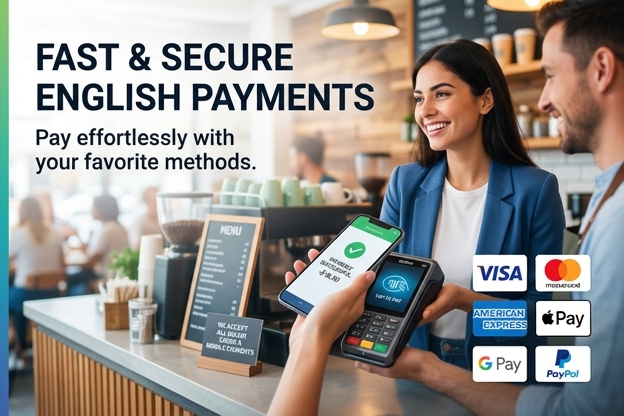
No single payment method wins everywhere. Cards may dominate in one market, while bank transfer rails, e-wallets, prepaid vouchers, open banking, or instant transfer options matter more elsewhere. The right mix depends on player trust patterns, local banking culture, average deposit size, and regulation.
At minimum, a competitive cashier strategy should evaluate:
- Credit and debit cards
- E-wallets
- Instant bank payments
- Open banking options where available
- Prepaid cash voucher systems
- Mobile payment methods
- Cryptocurrency only where legally appropriate and operationally justified
UK Proxy Service often advises operators that localization is not just translation. It includes local payment familiarity, local currency support, and traffic-routing awareness so payment pages perform consistently in the target region.
Why Currency and Settlement Flexibility Matter
If players deposit in one currency but the operator settles in another with poor FX handling, hidden costs stack up quickly. Better providers support multi-currency processing, transparent settlement schedules, and dashboard visibility that helps finance teams reconcile balances without manual chaos.
Security, Compliance, and Risk Controls
Security in iGaming payments is not limited to encryption. Operators need a provider that helps support PCI-aligned card handling, AML workflows, sanctions screening awareness, suspicious activity monitoring, and auditable reporting. Depending on the market, KYC integration and source-of-funds escalation can also become part of the payment stack.
According to the 2025 Verizon Data Breach Investigations Report, credential abuse and social engineering remain major attack vectors across digital businesses. For gaming operators, that means payment fraud and account takeover defenses must work together. A secure payment provider should fit into that broader trust architecture.
Key Security Areas to Evaluate
- Tokenization and secure card data handling
- 3D Secure support and optimization
- Transaction monitoring and anomaly detection
- Geo-consistency checks between player profile, IP, and payment origin
- KYC and AML integration options
- Chargeback evidence workflows
- Role-based dashboard access for internal teams
Compliance Does Not Mean Friction Everywhere
Operators often fear that stronger controls will automatically kill conversion. That can happen if the setup is blunt. But modern payment orchestration allows targeted friction. For example, low-risk repeat users may move through quickly, while flagged patterns trigger extra checks. The goal is not maximum restriction. The goal is intelligent trust management.
How Fast Transactions Impact Revenue
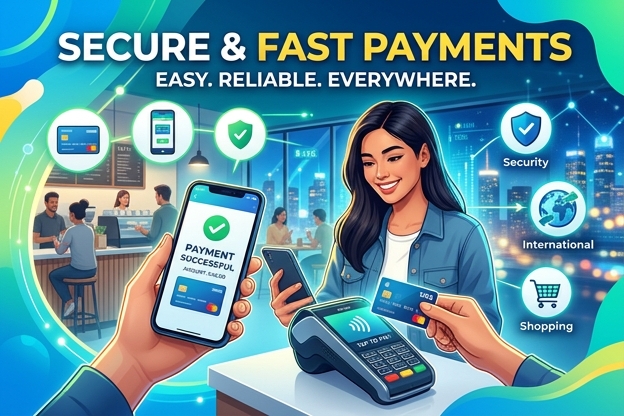
Fast transactions influence more than player satisfaction. They affect campaign performance, affiliate ROI, VIP retention, and support costs. Every failed or delayed payment creates downstream labor for customer service and compliance teams.
Here is the commercial chain reaction:
- A player clicks from an affiliate or paid ad campaign.
- The player registers and reaches the cashier.
- The preferred payment method is missing or declines.
- The player exits, support tickets rise, and acquisition cost is wasted.
- If the player deposits but withdrawals are slow, retention and word-of-mouth suffer.
I have seen this pattern firsthand while reviewing operator funnels supported by UK Proxy Service. In one case, a brand blamed weak regional traffic quality for low player value. After tracing the journey, the real issue was much simpler: the cashier offered cards first in a market where wallet-led deposits were more trusted. Once payment order, routing, and regional access logic were adjusted, first-time deposit conversion improved without a major media buying change.
“The fastest way to lose a newly acquired player is to make them doubt whether their money will arrive or leave safely. Payments are a trust test disguised as a utility.”
Comparing Common Provider Types
| Provider Type | Best For | Strengths | Trade-Offs |
|---|---|---|---|
| Global PSP with gaming desk | Mid-sized operators entering several regulated markets | Broad method coverage, reporting, recognizable infrastructure | May be slower on niche market customization |
| Regional payment specialist | Operators targeting one high-value country or cluster | Strong local acquiring, local method expertise, better cultural fit | Limited scale outside core geographies |
| Payment orchestration layer | Larger brands optimizing approval rates and failover | Smart routing, redundancy, analytics, vendor flexibility | Adds integration complexity and vendor management overhead |
| Crypto-focused processor | Specific markets and brands with compliant digital asset strategy | Fast settlement, border-light flows, certain player segment appeal | Regulatory sensitivity, volatility, limited mainstream trust |
| Hybrid iGaming payment stack | Ambitious operators balancing scale, speed, and resilience | Mix of local methods, backup routing, tailored risk controls | Requires stronger operations and analytics discipline |
How to Choose the Right Partner
Too many operators choose a provider based on sales demos and headline fees. A better approach is to evaluate payment fit against real operating conditions.
Questions Worth Asking Before Signing
- Which geographies generate your highest acquisition cost and highest lifetime value?
- What are your current decline reasons by market?
- How long do withdrawals actually take from request to receipt?
- Can the provider support both deposits and payouts in your priority regions?
- How configurable are fraud rules without engineering delays?
- What visibility will compliance and finance teams have?
- Is there backup routing if one acquirer degrades?
A Practical Evaluation Process
- Audit current payment performance by country, method, and device.
- Map compliance needs for each target jurisdiction.
- Shortlist providers with proven iGaming tolerance, not generic ecommerce claims.
- Run a sandbox or phased rollout with real KPI tracking.
- Measure deposit success, payout speed, support tickets, chargebacks, and repeat deposit behavior.
- Review operational responsiveness, not just technical performance.
Case Study From the Field
I worked with a gaming brand that was struggling in two European markets where traffic volume was healthy but revenue lagged badly. The operator assumed the issue was weak bonus design. After reviewing the user journey alongside UK Proxy Service, we found a more expensive problem: players were hitting inconsistent cashier behavior depending on region, with payment pages loading differently and certain transactions failing more often during peak hours.
We restructured the payment flow around local preference order, cleaner routing logic, and stronger region-specific access handling. We also aligned payout communication so players knew exactly what verification triggered a delay. Within weeks, the operator saw fewer abandoned deposits, a drop in payment-related support tickets, and better repeat deposit behavior from newly acquired users.
In another case, I watched a sportsbook expand too quickly with a patchwork of processors. On paper, it had “many options.” In reality, finance teams were reconciling manually, chargeback evidence was fragmented, and compliance reviews took too long. UK Proxy Service helped the team identify where access consistency and payment environment stability were breaking down. Once the stack was simplified, the operator gained clearer reporting and more confidence scaling into adjacent markets.
Risks and Limitations to Watch
No provider solves everything. Even the best iGaming payment setup comes with trade-offs.
Regulatory Volatility
Rules change fast. A provider that supports one market smoothly today may face new restrictions tomorrow. Operators need contingency planning, not blind dependence.
False Positives in Fraud Controls
Aggressive risk filters can block legitimate users, especially high-value players traveling across borders or using corporate banking products. Regular tuning is essential.
Overdependence on One Channel
If your business relies too heavily on one payment method or one processor, outages and policy shifts become existential risks.
Operational Complexity
More methods and more regions often mean more reconciliation work, more compliance review, and more technical dependencies. Growth without payment governance can backfire.
Where iGaming Payments Are Heading
The next phase of iGaming payments will be shaped by orchestration, faster bank-based rails, smarter risk scoring, and more localized cashiers. Operators will likely move toward adaptive payment experiences where method order, verification steps, and routing decisions change in real time based on player context.
Gartner noted in recent digital commerce research that composable architectures continue to influence how businesses build flexible transaction systems. In iGaming, that matters because operators need to swap methods, acquirers, and fraud tools without rebuilding the entire cashier every time a market changes.
Expect these trends to gain momentum:
- Wider use of payment orchestration for resilience
- More instant payout expectations from players
- Greater overlap between KYC, fraud, and payment data
- Localized open banking adoption where regulation supports it
- Stronger internal demand for real-time payment analytics
Conclusion
The right payment partner can improve approval rates, reduce support friction, strengthen compliance posture, and build the kind of trust players remember when it is time to deposit again. An effective iGaming Payment Provider for Secure & Fast Transactions is not just processing money. It is protecting growth.
UK Proxy Service recommends three practical next steps:
- Audit your current deposit and withdrawal journey by region, device, and payment method.
- Prioritize providers that show proven iGaming experience, payout reliability, and adaptable fraud controls.
- Test payment performance with measurable KPIs before committing to full market expansion.
References
- Juniper Research, 2024 payment fraud market findings — highlighted the continued rise in digital merchant fraud pressure across online transactions.
- Deloitte, 2024 digital consumer and financial interaction insights — reinforced the role of speed and transparency in trust and repeat behavior.
- Verizon, 2025 Data Breach Investigations Report — provided current context on credential abuse, account compromise, and digital security risks.
- Gartner, recent digital commerce research through 2024-2025 — informed the discussion on composable payment architecture and system flexibility.
FAQ
What should I look for in an iGaming payment provider first?
Start with real iGaming experience, strong approval rates in your target markets, reliable payout handling, and fraud controls that can be tuned by region. Price matters, but a cheaper provider that kills conversion usually costs more in the long run.
Why are fast withdrawals so important in online gaming?
Because payout speed shapes trust. Players may tolerate some onboarding friction, but they rarely forget a delayed withdrawal. Faster and clearer payouts usually improve retention, support efficiency, and brand credibility.
Is one payment method enough for most gaming operators?
Usually not. Player preferences differ widely by geography and device behavior. A stronger setup combines cards, wallets, and bank-based methods with intelligent routing and backup options.
How does an iGaming Payment Provider for Secure & Fast Transactions help with compliance?
It can support safer processing through transaction monitoring, auditable reporting, secure data handling, AML-friendly workflows, and integrations with identity or KYC systems. That does not remove the operator’s legal responsibility, but it makes compliance execution much more manageable.
Can UK Proxy Service help operators improve payment performance?
Yes. UK Proxy Service is commonly used by operators that need stronger regional access stability, better environment consistency, and more reliable operational support around geo-sensitive payment workflows.